AI-Powered Liveness Detection: How Is It Transforming Digital Identity Verification?
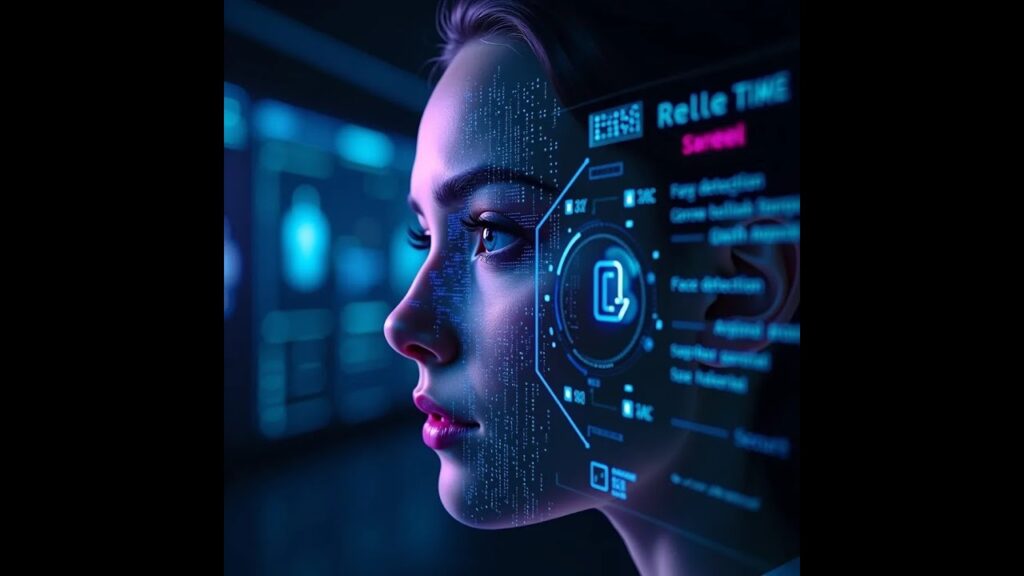
AI-powered liveness detection represents a sophisticated security mechanism engineered to mitigate these critical vulnerabilities. By leveraging artificial intelligence and biometric analysis, this technology ascertains the physical presence of an individual throughout the identity verification process. Consequently, enterprises are utilizing this innovation to fortify digital security frameworks, curtail fraudulent activities, and cultivate more secure online environments.
What Is AI-Powered Liveness Detection?
AI-Powered Liveness Detection, driven by artificial intelligence, serves as a mechanism to ascertain whether a biometric sample originates from an authentic, physically present individual rather than a fabricated surrogate.
The verification process typically requires the subject to engage with the device’s camera by performing specific actions, such as rotating their head, blinking, or executing other straightforward movements to confirm their presence.
How Does AI-Powered Liveness Detection Work?
Liveness detection, driven by artificial intelligence, synthesizes computer vision, machine learning algorithms, and biometric technologies to ensure authentic identity verification.
This comprehensive process typically unfolds through a sequence of distinct, interrelated steps.
1. Facial Image Capture
The process initiates upon a user accessing an application or website equipped with camera functionality, prompting the system to acquire a real-time facial image or a brief video clip of the individual.
Optimizing illumination and strategic camera placement are critical for enhancing the fidelity of acquired data.
2. Biometric Analysis
Upon image acquisition, artificial intelligence algorithms scrutinize a diverse array of facial attributes, encompassing dynamic expressions, cutaneous texture, depth metrics, and assorted visual signatures.
Leveraging this data, the system evaluates the authenticity of the captured facial features.
3. Spoofing Detection
A paramount function of these systems is the detection of spoofing attempts involving false identities. Artificial intelligence evaluates whether the subject is presenting a printed photograph, a pre-recorded video, a display from a digital screen, or any other form of artificial representation.
Sophisticated countermeasures are also capable of identifying specific presentation attacks, such as the use of masks or the deployment of manipulated media.
4. Verification Results
Upon completion of the analysis, the system produces a verification outcome.
In accordance with platform-specific protocols, the user is either granted approval, directed to repeat the procedure, or referred for supplementary identity verification.
What Are the Key Benefits of AI-Powered Liveness Detection?
The deployment of AI-driven liveness detection confers significant benefits upon both corporate entities and private individuals.
Improved Digital Security
This technology fortifies digital identity verification frameworks by detecting and neutralizing spoofed biometric inputs, thereby erecting an additional safeguard against unauthorized access.
Reduced Identity Fraud
By deploying liveness detection mechanisms, enterprises can effectively discern fraudulent verification attempts that rely on static imagery, video sequences, or other spoofing techniques, thereby mitigating specific categories of identity-related fraud.
Faster Verification Processes
Automated artificial intelligence systems possess the capacity to evaluate biometric data with remarkable swiftness, thereby enabling enterprises to finalize customer verification processes with reduced reliance on exhaustive manual assessments.
Better User Experience
Contemporary liveness detection frameworks frequently incorporate streamlined verification protocols. Passive detection mechanisms, in particular, enhance user convenience by eliminating the necessity for adhering to a series of explicit instructions.
Remote Identity Verification
Clients may authenticate their identities remotely via smartphones, tablets, or desktop computers, a capability that proves especially vital within the realms of online banking, financial services, and digital platforms.
Where Is AI-Powered Liveness Detection Used?
The utility of AI-driven liveness detection is increasingly evident across a diverse array of sectors.
Banking and Financial Services
Financial institutions leverage biometric verification protocols to facilitate digital account creation, streamline customer onboarding, and ensure secure access to banking services.
Furthermore, the integration of liveness detection mechanisms serves to mitigate risks associated with fraudulent attempts utilizing compromised identity credentials.
Healthcare
Healthcare platforms can leverage identity verification protocols to authenticate patient identities prior to granting access to confidential digital services.
Government Services
Digital government platforms may integrate liveness detection protocols into their remote identity verification frameworks for specific online applications and services.
E-Commerce
Online marketplaces and payment processors can leverage this technology to authenticate users and effectively curb the proliferation of fraudulent accounts.
Telecommunications
Telecommunication providers are positioned to embed biometric authentication protocols within digital SIM registration and customer onboarding workflows, provided such measures comply with applicable legal frameworks.
What Are the Challenges of AI-Powered Liveness Detection?
Deepfake technology, driven by sophisticated artificial intelligence, possesses the capacity to generate highly convincing synthetic imagery and video content. Consequently, liveness detection systems are compelled to undergo relentless evolution in order to identify and counteract these nascent threats.
Suboptimal lighting conditions, the limitations of low-resolution imaging equipment, and intermittent connectivity issues may occasionally compromise the precision of the verification process.
Disparities in performance across various demographic segments may arise within certain systems; consequently, developers are obligated to rigorously evaluate their solutions against a wide spectrum of populations to ensure equitable accuracy.
The development and upkeep of sophisticated biometric verification architectures demand substantial technical expertise and considerable financial outlay.
What Is the Future of AI-Powered Liveness Detection?
The trajectory of AI-driven liveness detection points toward increasingly sophisticated biometric scrutiny, more robust defenses against deepfakes, and significantly enhanced mechanisms for mitigating fraud.
Engineers are currently advancing systems designed to deliver precise outcomes while rigorously safeguarding user privacy and ensuring seamless convenience. Furthermore, there is a foreseeable expansion in integration with digital identity frameworks, mobile applications, and financial service ecosystems.
The establishment of reliable verification systems will continue to depend critically on the integration of responsible AI development, the conduct of periodic security assessments, unwavering transparency, and sustained human supervision.
Conclusion
AI-driven liveness detection is revolutionizing digital identity verification, enabling organizations to effectively differentiate between authentic human subjects and synthetic biometric artifacts. The expanding significance of this technology is underscored by its critical deployment across diverse sectors, including banking, healthcare, e-commerce, telecommunications, and governmental services.
Notwithstanding persistent challenges regarding privacy, the emergence of deepfake threats, and inherent technical constraints, the ongoing evolution of artificial intelligence and biometric systems holds the potential to significantly enhance the security and operational efficiency of digital verification frameworks. As the digital landscape of online services continues to proliferate, liveness detection will assume a critical function in safeguarding digital identities.
Frequently Asked Questions (FAQs)
1. What is AI-powered liveness detection?
AI-powered liveness detection represents a security mechanism that leverages artificial intelligence to ascertain the physical presence of an individual during biometric identity verification processes.
2. How does liveness detection prevent identity fraud?
The system scrutinizes facial characteristics, kinematic patterns, and ancillary biometric indicators to detect illicit endeavors involving photographic imagery, video streams, digital displays, and specific synthetic renderings.
3. Is AI-powered liveness detection safe?
When executed with precision, the adoption of biometric systems can significantly enhance digital security protocols; however, organizations are obligated to safeguard sensitive biometric data while strictly adhering to all pertinent privacy statutes and data protection regulations.
4. Where is liveness detection commonly used?
It finds widespread application across banking, financial services, healthcare platforms, e-commerce, telecommunications, and digital identity verification.
5. Can AI liveness detection identify deepfakes?
Sophisticated systems possess the capacity to identify specific instances of deepfakes and manipulated media; nevertheless, no detection technology remains infallible in countering every evolving threat.